Discover Feld Chicago
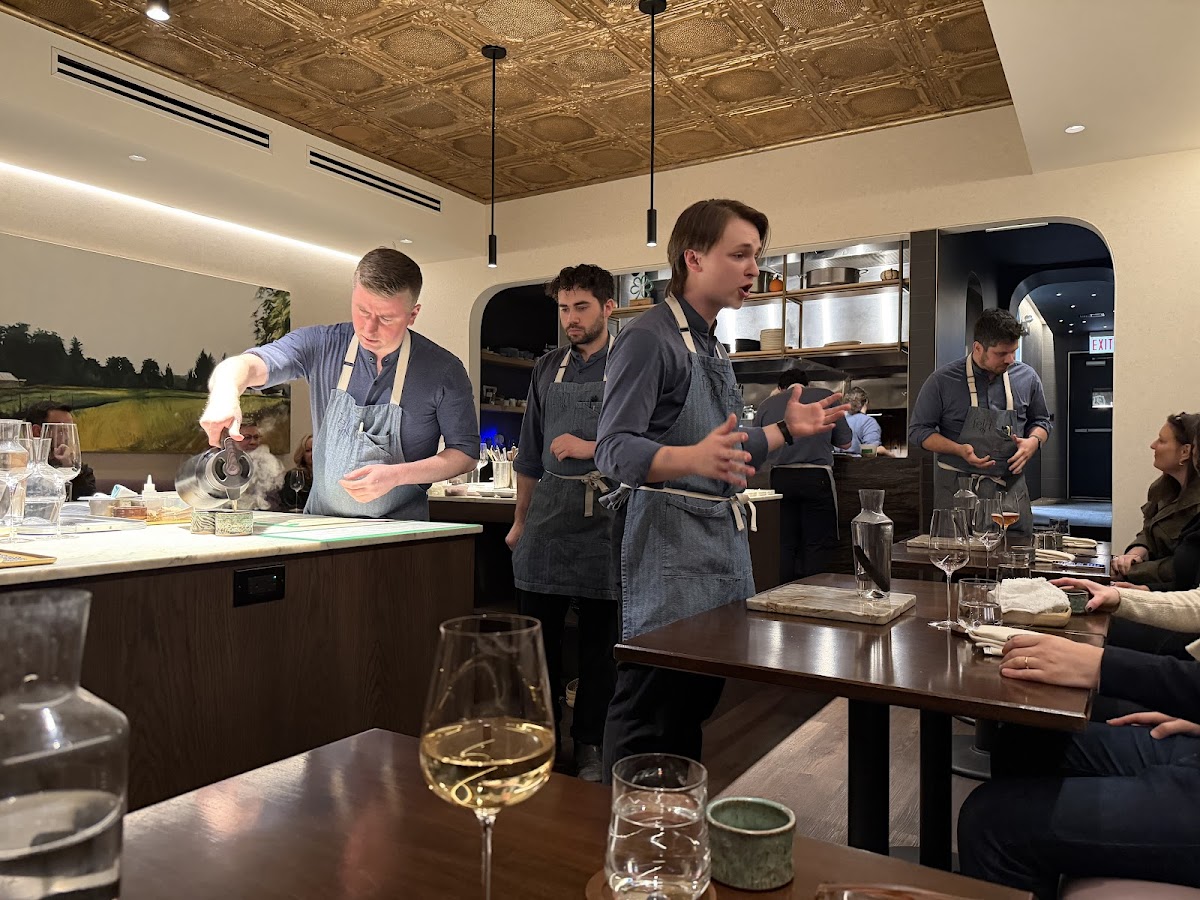
Walking into Feld Chicago feels like stepping into a place that understands its neighborhood and respects the rhythms of everyday dining in the city. Tucked along 2018 W Chicago Ave, Chicago, IL 60622, United States, this diner-style spot balances comfort food familiarity with thoughtful execution. I stopped by on a busy weekday evening after work, the kind of time when a restaurant’s true colors show, and the room was buzzing without feeling chaotic. Orders moved fast, staff called out greetings to regulars, and the kitchen kept pace without rushing plates out half-finished.
The menu reads like a love letter to classic American diner fare, but with enough polish to keep things interesting. Think burgers with properly rested patties, fries that hold their crunch, and breakfast dishes that actually taste like someone cared while making them. I watched a short-order cook work the flat top with the kind of efficiency you only get from experience, flipping eggs and toasting buns in a steady rhythm. When my plate arrived, the balance of textures stood out right away, especially the way the bread held up without getting soggy, which is a small detail many places miss.
What really sets this place apart is consistency. According to consumer research published by the National Restaurant Association, consistency is one of the top three factors diners associate with repeat visits, right behind food quality and service. That lines up with what I heard from a couple seated nearby, who mentioned they come in weekly because they always know what they’re getting. Their reviews echoed the same point I experienced firsthand: reliable flavors, friendly service, and portions that feel fair for the price.
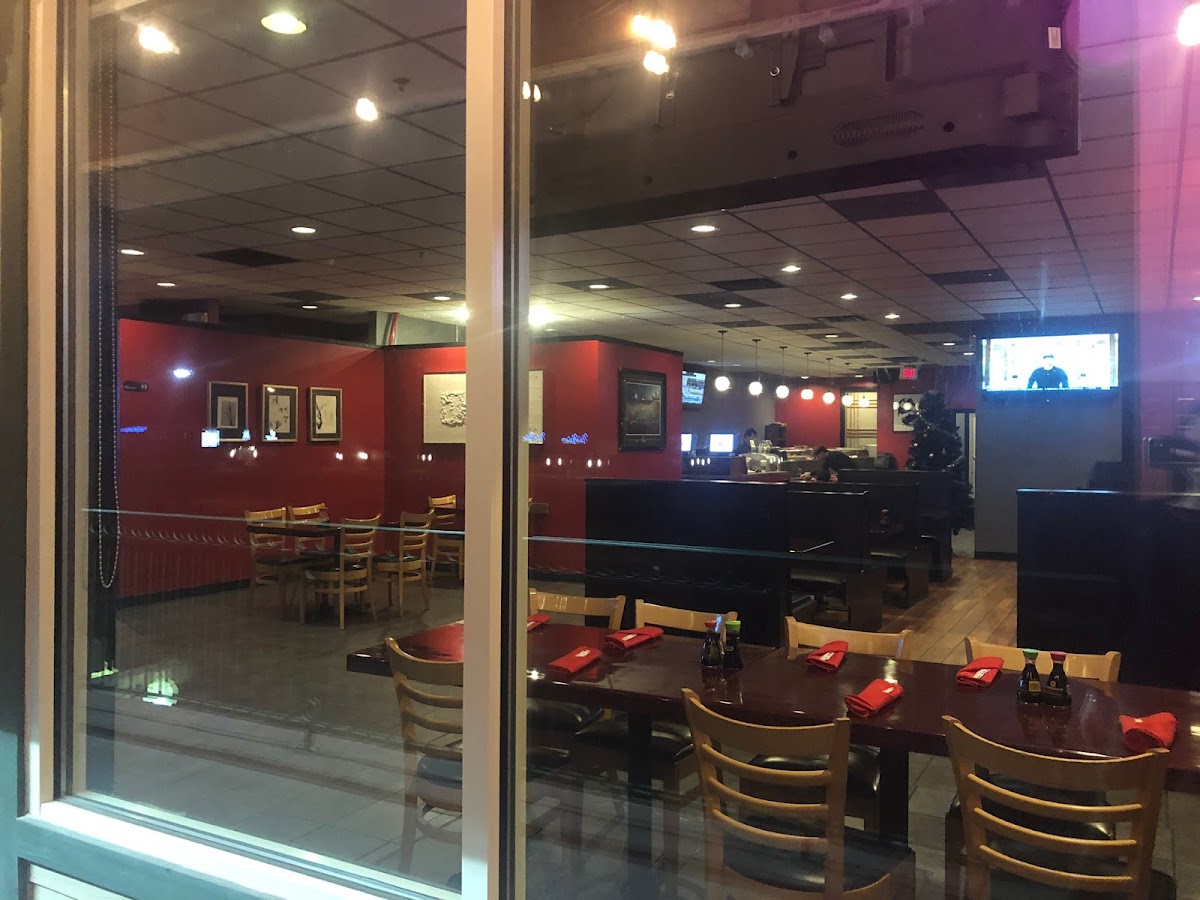
Location matters too, and this stretch of Chicago Avenue draws a mix of locals, students, and visitors exploring West Town. Feld Chicago fits naturally into that flow. It’s casual enough for a solo lunch yet comfortable for a relaxed dinner with friends. The seating layout keeps conversations private without isolating tables, something hospitality experts often point to as a subtle but important design choice. The Cornell University School of Hotel Administration has published studies showing that spatial comfort directly affects how long guests stay and how positively they rate their experience.
One example that stuck with me was watching a server handle a small mix-up with an order. Instead of rushing, they acknowledged the issue, fixed it immediately, and checked back twice to make sure everything was right. That kind of response builds trust. It shows systems are in place, not just good intentions. In restaurants, these processes-clear communication between front and back of house, and empowered staff-are what turn first-time guests into regulars.
The diner also shows restraint, which I appreciate. There’s no attempt to overwhelm with an oversized menu or chase trends that don’t fit. Instead, the focus stays on doing a smaller range of dishes well. Culinary professionals often emphasize this approach; the James Beard Foundation regularly highlights restaurants that prioritize technique and clarity over novelty. You can taste that philosophy here, especially in the way seasoning is handled-confident but not heavy-handed.
If there’s a limitation, it’s that peak hours can mean a short wait, especially on weekends. Still, watching the dining room turn over efficiently makes the wait feel reasonable. Most guests seem to agree, based on reviews that consistently mention patience being rewarded with hot, well-prepared food. The overall experience feels honest, unpretentious, and grounded in the everyday pleasures that make neighborhood diners worth returning to.